The argument
The keynote opened with a refusal: cities are not equations. Rather than treating them as problems to be solved, he framed cities as living, sensing bodies, with rhythms to read, silences to interpret and memories to honour. It was presented not as a tour of projects but as a reflection on two decades of work across disciplines, nations and technologies, and as an invitation to see urban life as a body to feel rather than a machine to fix.
The argument drew on more than 400 research projects he has led across green urbanism, digital twins, urban regeneration, mobility systems and microclimates, presented as layers of a single inquiry into how cities work. Each layer added a sense to the city’s body: microclimate mapping to locate where discomfort concentrates, digital twins as platforms for empathy rather than control, human centred mobility in which a missing ramp or a long wait at a crossing reveals what a city values.
Cities that breathe, not through noise and scale, but through rhythm, balance and care.
His reflection on the keynote, LinkedIn
From sensors to sense making
The central move of the keynote was from data to interpretation. Urban silence, he argued, is not the absence of sound but the presence of equilibrium: steady flows, efficient systems and low stress. The smartest systems speak the softest, adapting before crisis. Gathering data is not insight; intelligent systems must link environmental data to lived experience and sensors to stewardship.
The closing section turned to ethics. Breathlessness in cities is measurable, in PM2.5 counts, walkability and emergency response times, and it falls hardest on marginalised communities whose streets are louder, hotter and more polluted. As AI and real time sensing reshape cities, the keynote asked who gets to be predictable and who is surveilled, and concluded that intelligence without empathy is extraction.
Context
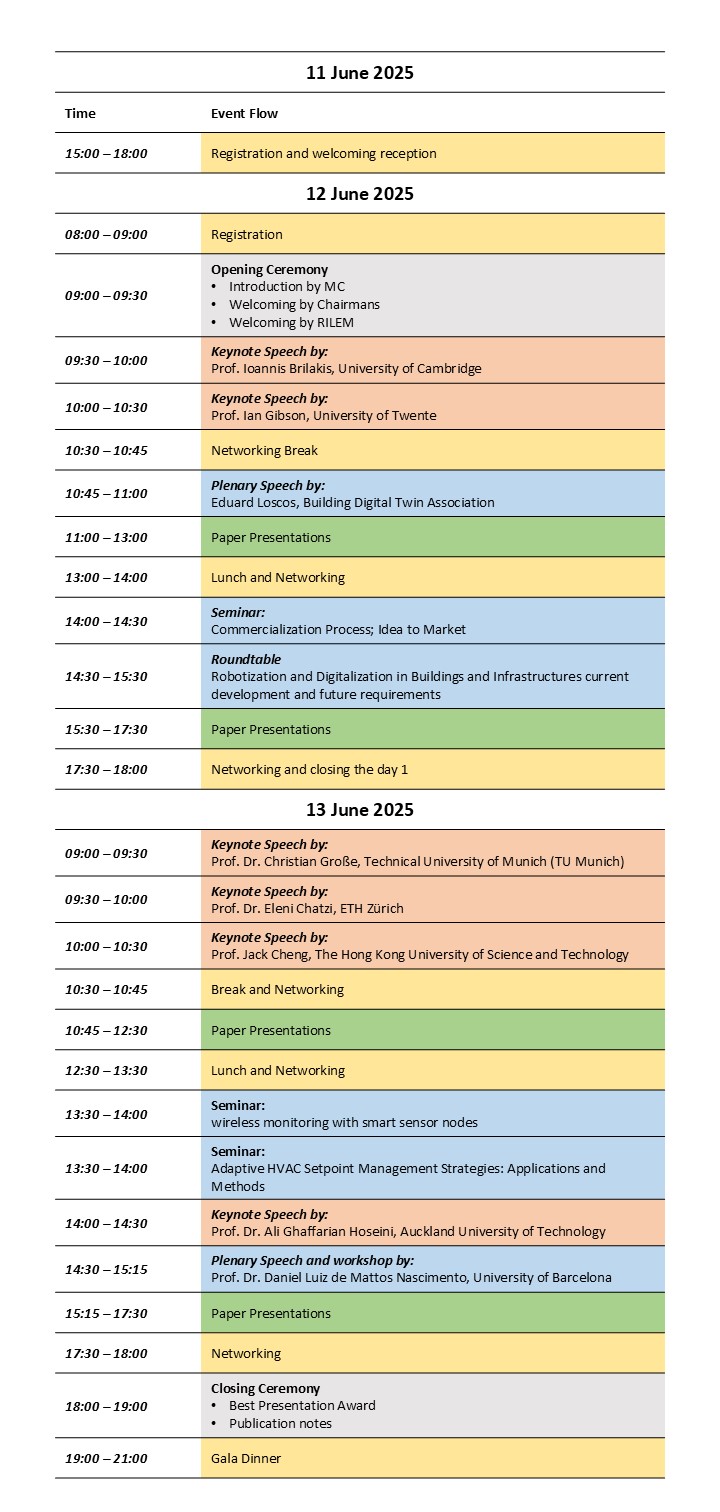
DFBI 2025 was convened by TU Delft, Teesside University, the University of Twente and AUT, with proceedings published by Springer Nature, and was held in the Faculty of Civil Engineering and Geosciences. He shared the keynote programme with Professors Jack Cheng, Ioannis Brilakis, Eleni Chatzi, Ian Gibson and Christian Große.
His reflection on the address, published under the title “I Heard the City Breathe”, thanked the hosts, Farzad Pour Rahimian, Sattar Emamian and Mohammad Fotouhi, and reached more than 13,000 readers. The full slide deck is published here, alongside selected slides.